
The eighth episode of the blue eye samurai series delivers a gripping conclusion to its first season. This installment not only ties up major storylines but also sets the stage for future developments. Fans of the eye samurai will find this episode both satisfying and thought-provoking.
One of the standout features of this episode is its exploration of the Great Fire of 1657, a pivotal event in Japanese history. The series masterfully blends historical context with its fictional narrative, adding depth to the storyline. Character arcs, particularly Mizu’s quest for vengeance and Akemi’s transformation, reach critical points, making this episode a must-watch.
The animation techniques used in this episode are noteworthy. The hybrid 2D/3D style enhances the visual experience, making it a treat for the eyes. The episode has received positive reviews for its storytelling and technical execution, further solidifying the series’ reputation.
With the series already renewed for a second season, fans have much to look forward to. This episode serves as a perfect climax, leaving viewers eager for more. Whether you’re a long-time fan or new to the series, this episode is sure to leave a lasting impression.
Key Takeaways
- Comprehensive breakdown of Episode 8’s pivotal events in Netflix’s adult animated series
- Analysis of how this episode serves as the season finale’s climax
- Introduction to key historical context behind the Great Fire of 1657 storyline
- Overview of major character arcs including Mizu’s vengeance quest and Akemi’s transformation
- Discussion of the episode’s critical reception and streaming performance
- Highlight of animation techniques blending 2D/3D hybrid styles
- Mention of series renewal for Season 2 coming in 2026
Introduction to BLUE EYE SAMURAI S01E08
The explosive finale of the series ties up loose ends while setting the stage for future episodes. Episode 8, with its 49-minute runtime, delivers a gripping conclusion to the first season. Fans of the blue eye series will find this installment both thrilling and emotionally satisfying.
Set in Edo-period Japan, the episode dives into the political tensions of the time. Fowler’s coup attempt adds a layer of intrigue, while Mizu’s dual mission—saving Akemi and stopping Fowler—keeps the stakes high. The blend of historical events like the Great Fire of 1657 with fantasy elements creates a rich, immersive world.
One of the standout features of this episode is its unique 2.35:1 cinematic aspect ratio. This change enhances the visual storytelling, making it more cinematic compared to previous episodes. The voice cast, including Maya Erskine as Mizu and Kenneth Branagh as Fowler, delivers stellar performances that bring the characters to life.
The series has received widespread acclaim, boasting a 97% Rotten Tomatoes score. This episode solidifies its reputation as a must-watch for fans of historical fiction and action-packed storytelling.
| Aspect | Details |
|---|---|
| Runtime | 49 minutes |
| Aspect Ratio | 2.35:1 |
| Voice Cast | Maya Erskine, Kenneth Branagh |
| Critical Acclaim | 97% Rotten Tomatoes |
Key Events in BLUE EYE SAMURAI S01E08
Episode 8 delivers a high-stakes narrative with intense action and emotional depth. The story unfolds through three major events: Mizu and Ringo’s plan to save Akemi, Mizu’s infiltration of the castle, and the coup leading to the Great Fire of 1657. Each moment is packed with tension and strategic brilliance.
Mizu and Ringo’s Plan to Save Akemi
Mizu and Ringo devise a daring plan to rescue Akemi through the sewers. Their strategy showcases their teamwork and resourcefulness. However, Taigen’s unexpected intervention throws a wrench in their efforts, adding a layer of unpredictability to the mission.
Mizu’s Infiltration of the Castle
Mizu’s journey into the castle is fraught with danger. Deadly traps and her adherence to the samurai honor code test her resolve. Her use of the naginata highlights her combat pragmatism, even as she navigates the moral conflicts of her mission.
The Coup and the Great Fire of 1657
The coup led by Fowler’s army is a masterclass in tactical warfare. The castle’s defenses crumble in less than an hour, showcasing the power of gunpowder-era strategies. The Great Fire of 1657, historically significant, is reimagined for dramatic effect, with Mizu inadvertently starting the blaze during combat.
This episode masterfully blends historical events with fictional storytelling. The cinematic parallels to Kurosawa’s throne room sequences add a layer of homage, making it a visual and narrative triumph.
Character Development in Episode 8
Character arcs take center stage in this gripping episode. Each protagonist faces pivotal moments that redefine their motivations and relationships. From Mizu’s identity crisis to Akemi’s bold decisions, the narrative explores themes of power, family, and self-discovery.
Mizu’s Evolution and Motivations
Mizu’s journey takes a dramatic turn with the revelation about her mother. Learning that her biological mother was a maid shatters her sense of identity. This discovery shifts her focus from revenge to protecting those she cares about, marking a profound evolution in her character.
Akemi’s Transformation and Choices
Akemi’s declaration, “I want to be great,” signifies her political awakening. Rejecting Taigen’s proposal, she embraces her role as a leader. Her calculated decision to lock the gates during the coup highlights her growing confidence and strategic thinking.
Fowler’s Role and Downfall
Fowler’s revelation about Mizu’s true parentage adds a layer of complexity to his character. His ambition to expand his influence to London ultimately leads to his downfall. The contrast between his ruthlessness and Akemi’s mercy underscores the episode’s exploration of power dynamics.
Seki’s death, symbolized by cherry blossom petals amidst gunpowder, serves as a poignant reminder of the cost of conflict. Meanwhile, Taigen’s completion of his revenge cycle against Heiji Shindo brings closure to his arc, emphasizing the cyclical nature of vengeance.
Themes Explored in BLUE EYE SAMURAI S01E08
The themes in this episode delve deep into the complexities of human nature. From the pursuit of revenge to the struggle for identity, the story challenges viewers to reflect on the moral dilemmas faced by its characters. These ideas are woven into the narrative, making it both thought-provoking and emotionally resonant.
Revenge and Justice
Mizu’s journey is driven by a desire for revenge, but her encounter with Fowler forces her to confront the cost of her mission. The episode examines the cyclical nature of violence, showing how vengeance often perpetuates suffering. Fowler’s survival becomes a symbol of this dilemma, as Mizu realizes she cannot kill him yet needs him alive.
Power and Corruption
The episode also explores the corrupting influence of power. Fowler’s ambition to expand his influence to London highlights the clash between Eastern and Western ideologies. Meanwhile, Akemi’s rise as a leader showcases the complexities of wielding power in a male-dominated society. Her decisions reflect the challenges of balancing authority with morality.
Identity and Self-Discovery
Mizu’s struggle with her identity as a biracial individual is central to the story. Her discovery about her mother reshapes her understanding of herself and her purpose. Similarly, Akemi’s transformation from a sheltered bride to a confident leader underscores the theme of self-discovery. Both characters navigate their roles in a world that often marginalizes them.
The episode also draws parallels between Akemi’s choices and Kinuyo’s story, emphasizing the recurring struggles faced by women in this era. Through its rich storytelling, the episode invites viewers to reflect on the universal themes of life, identity, and the pursuit of justice.
BLUE EYE SAMURAI S01E08: A Turning Point in the Series
The final moments of the episode mark a significant shift in the series, paving the way for an exciting new chapter. The transition from Japan to London sets the stage for Season 2, promising fresh challenges and deeper exploration of the characters’ journeys.
This episode serves as a narrative bridge, connecting the Japanese setting with the European backdrop. The time period of 1657 plays a crucial role, as it reflects the historical tensions between Anglo-Japanese relations. Fans are already speculating about how Skeffington and Routely’s connections to London will unfold in the next season.
With 70% of the main cast surviving, the storylines are primed for continuation. This ensures that key characters like Mizu and Akemi will remain central to the plot. The production design also hints at a shift, with subtle changes foreshadowing the new locations and challenges ahead.
Confirmed details about Season 2 reveal a six-episode arc, set to release in 2026. This gives fans plenty of time to theorize and revisit the first season. The place and way the story evolves will undoubtedly keep viewers engaged and eager for more.
Mizu’s Journey: From Vengeance to Redemption
Mizu’s journey in the series takes a profound turn as she grapples with her past and future. Her weapon choices, particularly the sword, symbolize her internal conflict. The broken blade she wields reflects her fractured identity and struggle for purpose.
The revelation about her mother in Episode 5 reshapes her motivations. Learning that her biological mother was a maid shatters her sense of self. This discovery shifts her focus from vengeance to protecting those she cares about, marking a pivotal moment in her character arc.
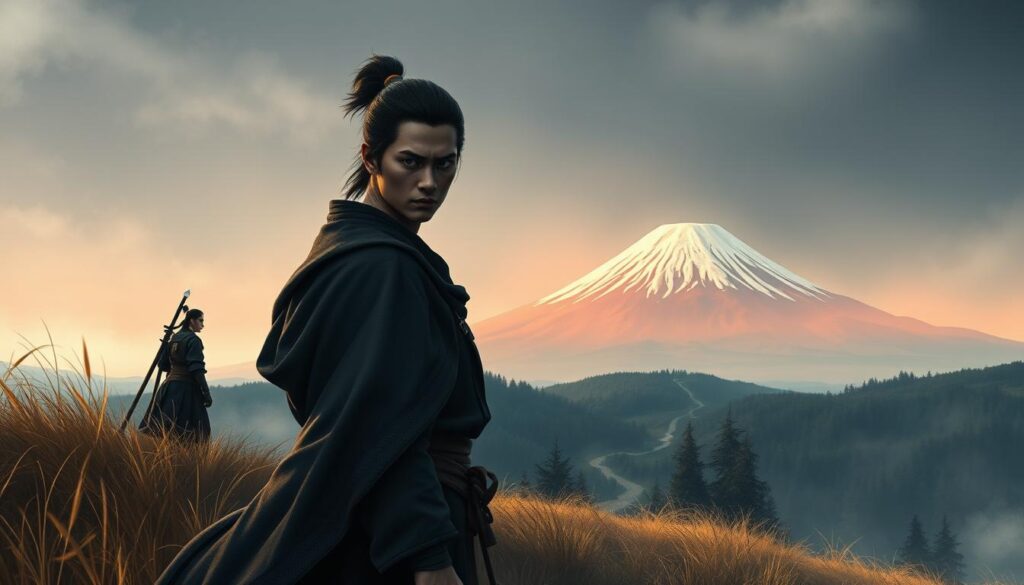
Mizu’s marriage to Mikio, revealed in a flashback, adds depth to her story. Her relationship with her husband highlights her vulnerability and desire for connection. These moments humanize her, making her more than just a vengeful warrior.
Her journey parallels classic ronin arcs in Japanese cinema. Like many wandering samurai, Mizu seeks redemption and a place in the world. The broken sword she carries serves as a metaphor for her ongoing struggle to reconcile her past and future.
As the series moves to London, Mizu’s character development promises to deepen. Her experiences in Japan have shaped her, but new challenges await. Fans can expect her to continue evolving, driven by her quest for identity and justice.
| Aspect | Details |
|---|---|
| Weapon Symbolism | Broken sword reflects identity conflict |
| Parentage Reveal | Shifts focus from vengeance to protection |
| Marriage Flashback | Highlights vulnerability and desire for connection |
| Classic Ronin Parallels | Seeks redemption and a place in the world |
| Future Predictions | London-era challenges will deepen her arc |
Maya Erskine’s voice performance brings Mizu to life with nuance and depth. Her portrayal captures the character’s emotional complexity, making Mizu’s journey both relatable and compelling. This combination of storytelling and performance ensures Mizu remains a standout character in the series.
Akemi’s Struggle for Independence
Akemi’s journey in the series highlights her fight for independence in a male-dominated world. Her transformation from a sheltered bride to a political leader is a testament to her resilience and strategic thinking. This episode explores her growth, using her brothel training as a foundation for her political maneuvering.
Her skills in “tea service” become a metaphor for her ability to navigate complex power dynamics. This parallels the historical context of the Ōoku, the women’s palace, where women wielded influence behind the scenes. Akemi’s story mirrors figures like Tokugawa Masako, who used their intelligence to shape political outcomes.
The symbolism of her hairpin throughout the season underscores her evolving identity. It represents not just her beauty but also her sharp intellect and determination. Her “assumed dead” strategy is a bold move for autonomy, reflecting her refusal to be controlled by societal expectations.
Akemi’s decision to lock the gates during the coup draws a feminist parallel to Lady Ito’s actions. Both women take decisive steps to protect their interests, challenging the traditional roles assigned to them. This episode sets the stage for Season 2, where Akemi’s political ambitions will likely face new challenges.
Her relationship with her father, a powerful lord, adds complexity to her journey. While he represents the patriarchal system, Akemi’s actions show her determination to carve out her own path. Her focus on money and work as tools for independence highlights her pragmatic approach to power.
As the series progresses, Akemi’s name will undoubtedly become synonymous with leadership and resilience. Her story is a powerful reminder of the strength and ingenuity of women in history, making her one of the most compelling characters in the series.
Fowler’s Ambitions and Their Consequences
Fowler’s ambitions drive the narrative tension in this episode, showcasing the clash of ideologies. His Irish smuggler background adds depth to his character, grounding him in historical context. This connection to real-world events enriches the story, making Fowler a compelling antagonist.
The introduction of Western weaponry, particularly pistols, reshapes the samurai culture. This technological shift symbolizes the encroachment of foreign influence. The blade, once the weapon of choice, is overshadowed by the destructive power of guns, reflecting the changing times.
Fowler embodies the colonialist mindset, clashing with Japan’s isolationist policies. His Shakespearean villain traits—ambition, ruthlessness, and charisma—make him a formidable foe. Kenneth Branagh’s voice performance brings these qualities to life, adding layers to Fowler’s character.
The historical accuracy of foreigner exclusion decrees is subtly woven into the narrative. These decrees, aimed at limiting the influence of white men, highlight the tension between tradition and modernity. Fowler’s presence in the city disrupts this balance, setting the stage for conflict.
Western weaponry serves as a symbol of corruption, undermining the samurai code. This theme is further explored through Fowler’s interactions with men like Heiji Shindo, who are drawn to the promise of power. The consequences of their choices ripple through the story, altering the course of history.
Foreshadowing of European antagonists hints at future challenges. Fowler’s ambitions extend beyond Japan, setting the stage for a broader conflict. This narrative choice ensures the story remains dynamic and engaging, leaving viewers eager for more.
| Aspect | Details |
|---|---|
| Fowler’s Background | Irish smuggler, historical basis |
| Weaponry Impact | Pistols vs. traditional blade |
| Ideological Clash | Colonialism vs. isolationism |
| Voice Performance | Kenneth Branagh’s portrayal |
| Future Antagonists | Foreshadowing of European characters |
The Great Fire of 1657: Historical Context and Impact
The Great Fire of 1657 serves as a pivotal moment in the series, blending history with fiction. While the real event claimed over 100,000 lives and began in a temple, the show reimagines its origin within a castle. This creative liberty adds dramatic tension while staying rooted in the time period.
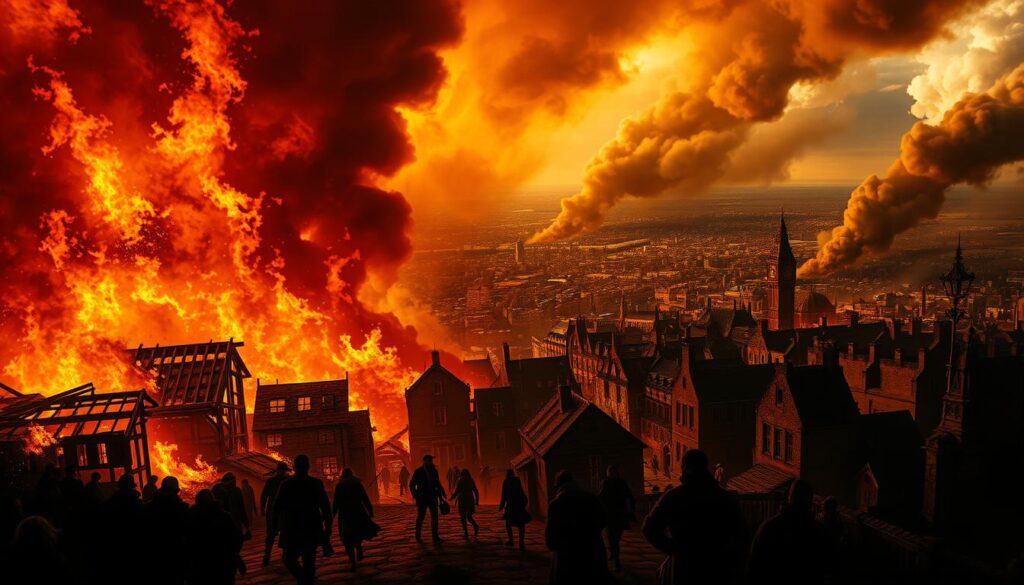
Edo period firefighting techniques were rudimentary compared to modern methods. Bucket brigades and wooden tools were the primary defenses against the relentless fire. The episode captures this struggle, highlighting the chaos and heroism of the era.
Symbolically, the fire represents both destruction and purification. In the series, it mirrors the characters’ internal conflicts, burning away old identities to make way for new beginnings. This duality adds depth to the narrative, making it more than just a historical backdrop.
The show takes dramatic license with historical records, but it remains respectful of the era’s essence. The burning castle sequences are visually stunning, with meticulous attention to architectural accuracy. The flames consume the structure in a way that feels both authentic and cinematic.
Post-fire rebuilding could play a significant role in Season 2. The city’s recovery offers opportunities for character development and new storylines. This historical context enriches the series, making it a compelling blend of fact and fiction.
Meteorological accuracy is another highlight. The fire’s spread patterns align with historical accounts, adding realism to the episode. This attention to detail ensures the event feels grounded, even as it serves the story’s dramatic needs.
Visual and Narrative Style in Episode 8
The visual and narrative style of Episode 8 elevates the storytelling to new heights. From the stunning animation to the meticulous cinematography, every detail enhances the viewer’s experience. This episode stands out as a masterclass in blending technical artistry with compelling storytelling.
Animation and Cinematography
The shift to a 2.35:1 aspect ratio gives the episode a cinematic feel, making it visually distinct from earlier installments. This way of framing the action adds depth and grandeur to key scenes, especially during the fire sequences. The hybrid 2D/3D techniques by Blue Spirit Studio bring a unique texture to the animation, blending traditional and modern styles seamlessly.
Color palette shifts play a crucial role in setting the tone. The warm hues during the fire contrast sharply with the cooler tones of earlier scenes, emphasizing the chaos and destruction. This deliberate use of color enhances the emotional impact of the narrative.
Storytelling Techniques
The episode draws inspiration from Bunraku puppet theater, particularly in its flashback sequences. This influence adds a layer of cultural richness to the storytelling. The camera work pays homage to Kurosawa’s iconic throne room scenes, creating a sense of timelessness and reverence.
Dutch angles are used effectively during the coup sequence, heightening the tension and disorientation. The sound design further amplifies the mood, blending traditional Japanese instruments with Western elements. This contrast mirrors the clash of cultures central to the show’s themes.
Compared to Episode 6’s black-and-white special version, this episode embraces a more vibrant and dynamic visual style. The list of techniques employed here showcases the creators’ commitment to pushing artistic boundaries while staying true to the story’s roots.
Fan Reactions and Theories Post-Episode 8
The fanbase erupted with excitement following the release of Episode 8, sparking countless discussions and theories. Hideo Kojima, the legendary game designer, called it the “best anime of the year,” adding fuel to the hype. Fans took to platforms like Reddit to dissect every detail, especially the London arc’s potential historical figures.
On TikTok, the parentage revelation scene went viral, with users analyzing Mizu’s emotional breakdown frame by frame. Meanwhile, fan art trends exploded, showcasing creative redesigns of Mizu’s look for the London arc. Artists imagined her face with a blend of Japanese and European influences, reflecting her dual heritage.
Controversy also arose around the show’s historical accuracy. Some viewers praised its attention to detail, while others questioned the liberties taken with events like the Great Fire of 1657. These debates kept the series trending on social media for weeks.
The shipping community had its own meeting of minds, debating the Mizu/Taigen dynamic. Many fans rooted for their relationship, citing their chemistry and shared struggles. Others argued that their bond was purely platonic, adding layers to the discussion.
Award predictions surged after the show’s success at the Annie Awards. Fans and critics alike placed it at the top of their lists for animation excellence. Podcasts dedicated to film and animation also featured in-depth analyses, cementing its place in pop culture.
“This series is a masterclass in storytelling and animation,” said one podcast host. “It’s no wonder fans are already theorizing about Season 2.”
From viral TikTok trends to Reddit deep dives, Episode 8 left an indelible mark on its audience. The blend of emotional storytelling and rich historical context continues to captivate viewers, making it a standout in the show’s first season.
What to Expect in Future Episodes
Season 2 will take viewers to a new setting, blending history with fresh challenges. The blue eye samurai series is confirmed to return with six episodes in 2026, marking a significant shift in the story’s world. The creators have plans for 3-4 total seasons, ensuring a rich and expansive narrative.
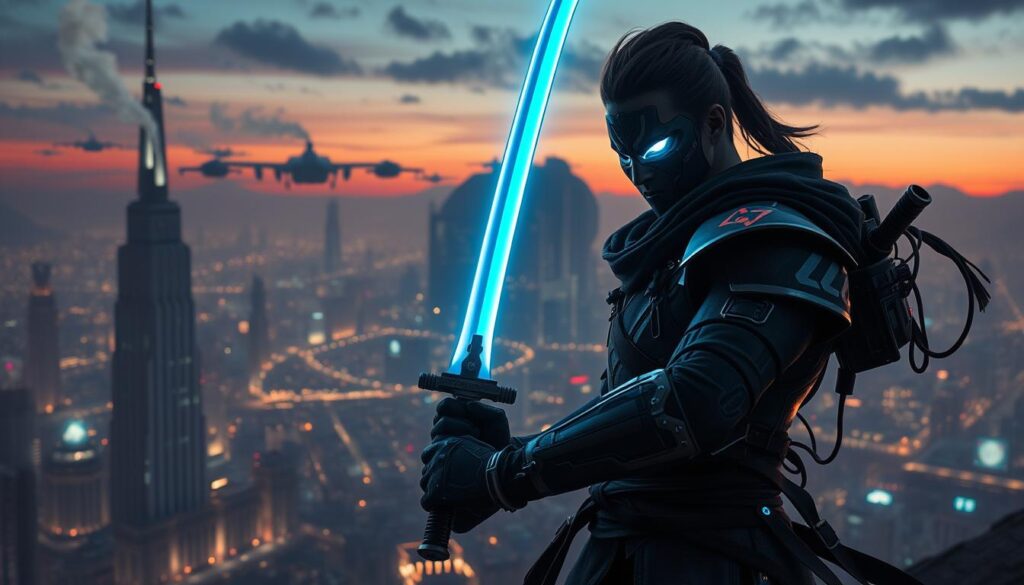
The move to London introduces a new historical context, set in the 1660s. This place will serve as a backdrop for exploring the clash of cultures and the rise of global powers. Fans can expect cameos from historical figures like those tied to the East India Company, adding depth to the storyline.
Weaponry will also evolve, with the introduction of flintlock pistols reflecting the era’s technological advancements. Costume designs will adapt to the European setting, offering a fresh visual experience. These changes promise to keep the series dynamic and engaging.
“The shift to London opens up endless possibilities for storytelling,” said one of the creators. “We’re excited to explore this new chapter.”
Voice cast additions are another area of anticipation. Western actors may join the ensemble, bringing new energy to the characters. Meanwhile, hints about a Ringo spinoff have sparked fan theories, adding to the excitement for what’s to come.
- Six episodes confirmed for Season 2, releasing in 2026.
- London setting to explore 1660s historical context.
- Potential cameos from East India Company figures.
- Weapon evolution to include flintlock pistols.
- Costume design changes for European aesthetics.
- Creator hints at a possible Ringo spinoff.
With these developments, the blue eye samurai series continues to captivate its audience. The blend of history, action, and character-driven storytelling ensures that fans will have much to look forward to in the coming seasons.
Conclusion
The series reaches a powerful conclusion in its latest episode, blending action and emotion. Major plotlines find resolution, from Mizu’s quest for vengeance to Akemi’s rise as a leader. The fire that engulfs the castle serves as a dramatic backdrop, symbolizing both destruction and renewal.
Character arcs come full circle, offering satisfying payoffs for fans. Mizu’s journey from vengeance to protection, Akemi’s transformation into a political force, and Fowler’s downfall highlight the way the story balances personal struggles with broader themes. These developments ensure the episode resonates on both emotional and intellectual levels.
The cultural impact of the blue eye samurai cannot be overstated. Its blend of historical fiction and rich storytelling has earned it critical acclaim and award potential. The series masterfully weaves real events into its narrative, creating a world that feels both authentic and immersive.
As the season ends, anticipation builds for the London arc in Season 2. What new challenges await Mizu and Akemi? Share your thoughts and theories in the comments below. Don’t forget to catch this episode and the entire season on Netflix.