
The latest episode of the series has arrived on Paramount+ Showtime, and it’s already making waves. Directed by Monica Raymund and written by Nick Zayas, this installment takes viewers on a gripping journey as the protagonist navigates life after a coma and his relocation to New York City.
This episode dives deep into the central conflict: balancing fatherhood with the ever-present urges of his “Dark Passenger.” Meanwhile, Angel Batista’s renewed investigation into the Bay Harbor Butcher case adds a layer of suspense. The blend of nostalgic elements and a fresh storyline involving a serial killer social club keeps fans hooked.
With record-breaking streaming numbers—3.1 million viewers in just three days—this episode proves the series continues to captivate audiences. Stay tuned as we analyze the generational themes between the protagonist and his son, Harrison.
Key Takeaways
- Episode 3 is now streaming on Paramount+ Showtime.
- The protagonist faces new challenges in New York City.
- Fatherhood and his “Dark Passenger” create a compelling conflict.
- Angel Batista reopens the Bay Harbor Butcher case.
- The episode blends nostalgia with a fresh storyline.
- Generational themes between the protagonist and Harrison are explored.
Episode Highlights: What Happened in Dexter: Resurrection S01E03?
Episode 3 of the series delivers intense moments and unexpected twists. From Dexter’s struggles in New York City to Harrison’s chilling tactics, this installment keeps viewers on the edge of their seats. Let’s dive into the key moments that defined this episode.
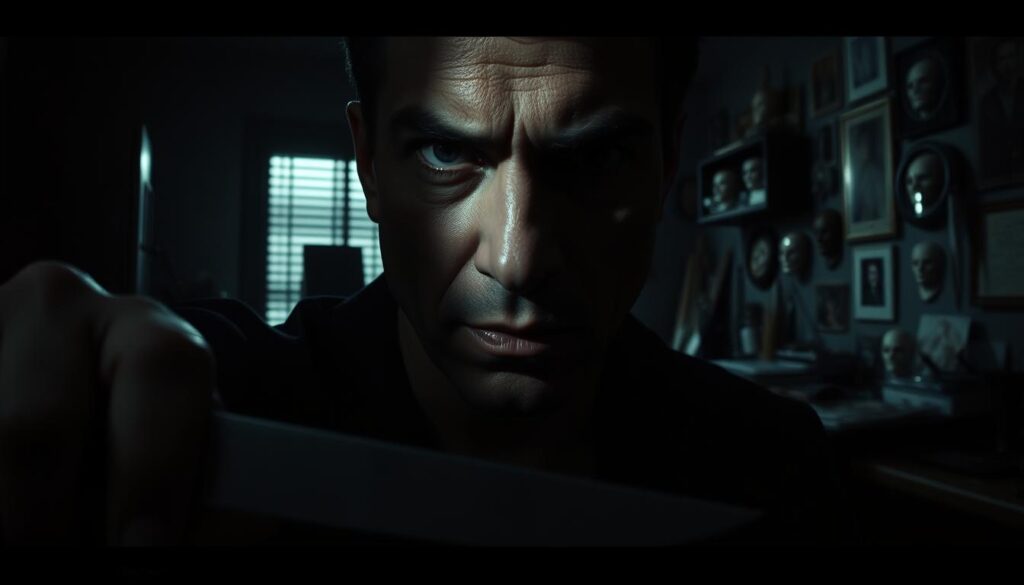
Dexter’s New York Adventures
Dexter’s life in New York City takes center stage as he works as an Urcar driver. His physical decline post-coma affects his efficiency as a serial killer, but he remains determined. A new friendship with Blessing Kamara adds depth to his character, while his investigation into the Ride Share Killer keeps the suspense alive.
To recover, Dexter turns to acupuncture, a subplot that highlights his vulnerability. This adds a layer of realism to his character, showing that even a seasoned killer can face challenges.
Harrison’s Cold-Blooded Confrontation
Harrison’s actions mirror his father’s tactics, showcasing his evolution. He uses hotel maid Elsa Rivera to create a fake alibi with the NYPD, proving his cunning nature. This cold-blooded approach raises questions about his future and his potential as a serial killer.
His arrangement with Elsa also reveals his resourcefulness, setting the stage for future conflicts. Harrison’s character continues to intrigue, leaving fans eager for more.
Angel Batista’s Retirement Announcement
Angel Batista’s retirement after 40 years is a bittersweet moment. At his Miami party, he reunites with familiar faces like Quinn and Masuka. However, his statement,
“I have unfinished business,”
hints at his ongoing mission.
Claudette Wallace’s investigative breakthrough foreshadows Batista’s pursuit of Dexter, adding tension to the storyline. His decision to head to New York City sets the stage for a thrilling confrontation.
| Character | Key Moment |
|---|---|
| Dexter | Investigates the Ride Share Killer while recovering from physical decline |
| Harrison | Creates a fake alibi with Elsa Rivera |
| Angel Batista | Retires but vows to finish his mission |
Themes of Parenthood in Dexter: Resurrection S01E03
Parenthood takes center stage in this gripping episode. The protagonist’s struggle to balance his dark passenger with his role as a father creates a compelling narrative. This tension is further explored through his interactions with his son, Harrison, and the ghostly counsel of Harry Morgan.
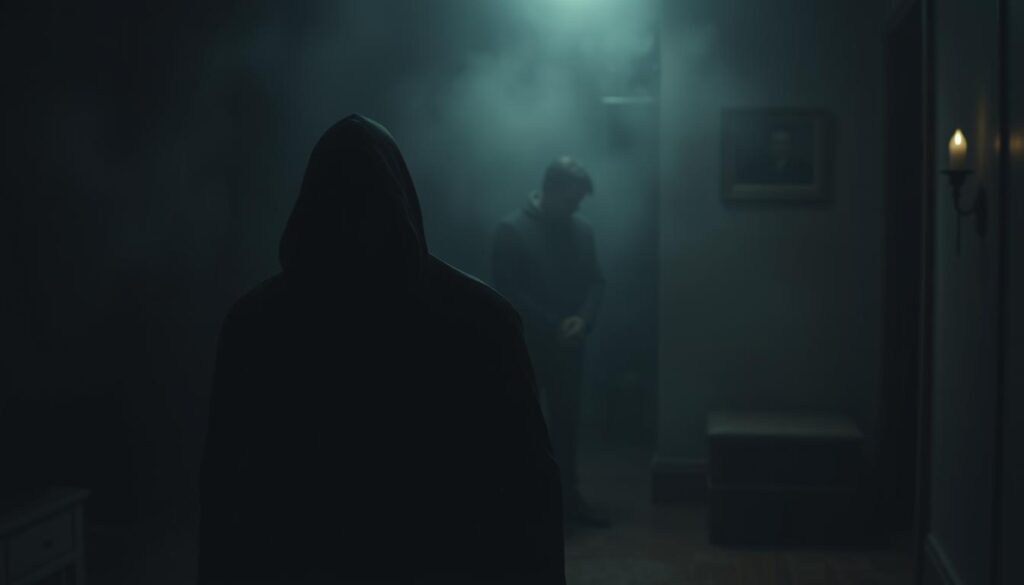
Dexter’s Struggle with Fatherhood
Dexter’s life in New York City is marked by isolation. His solitary killer ethos clashes with his paternal instincts. Harry’s ghostly reminder,
“Harrison needs his father,”
underscores this internal conflict. Dexter’s decision to spy on Harrison’s dinner with Elsa, yet avoid confrontation, highlights his struggle to connect.
Harry’s Influence on Dexter
Harry Morgan’s ghost continues to shape Dexter’s actions. His evolving counsel reflects the new blood in the storyline. Harry’s advice often serves as a moral compass, guiding Dexter through the murky waters of fatherhood and his dark passenger.
Harrison’s Search for Normalcy
Harrison’s hotel job contrasts sharply with Dexter’s facade during the Rita era. This symbolism highlights generational trauma. Elsa, as a potential “Rita figure,” adds depth to Harrison’s search for normalcy. His duality—sympathetic orphan versus budding killer—keeps viewers intrigued.
- Contrast Dexter’s solitary killer ethos with his paternal instincts.
- Examine Harry Morgan’s evolving ghostly counsel.
- Analyze Elsa’s role as Harrison’s potential “Rita figure.”
- Discuss generational trauma through Harrison’s hotel job symbolism.
Character Development: Dexter and Harrison
The dynamics between Dexter and Harrison take a fascinating turn in this episode. As the series progresses, their individual journeys reveal deeper layers of their personalities and struggles. This installment highlights their growth, challenges, and the evolving bond between father and son.

Dexter’s Aging and Slowing Down
Dexter’s physical decline is evident after his 10-week coma. Mobility issues and a weakened state force him to adapt to a slower pace. His struggles with technology, like using a smartphone, serve as metaphors for his aging process. Despite these challenges, his determination to continue his work as a killer remains unwavering.
Physical therapy scenes underscore his vulnerability, adding a layer of realism to his character. Blessing Kamara’s optimism provides a narrative foil, contrasting Dexter’s darker tendencies. These elements highlight the complexities of his journey in New York City.
Harrison’s Evolution into a Killer
Harrison’s transformation is both chilling and methodical. His crime cleanup shows precision, but rookie mistakes reveal his inexperience. Unlike Dexter, who follows a strict code, Harrison’s actions are instinctual. His mantra,
“First rule: don’t get caught,”
reflects his growing confidence. Selling Dexter’s truck symbolizes his desire to sever ties and carve his own path.
Elsa’s Role in Harrison’s Life
Elsa serves as both an accomplice and a moral anchor for Harrison. She provides shelter and emotional support, creating a sense of stability in his chaotic life. Her dual role mirrors Dexter’s past relationships, adding depth to the storyline. As Harrison’s potential “Rita figure,” Elsa’s influence could shape his future decisions.
This episode masterfully explores the generational themes between Dexter and Harrison, setting the stage for future conflicts. The writers guild america and guma mbaho mwine deserve credit for crafting such a compelling narrative.
Nostalgia and Returning Faces
Fans of the original series will find plenty to love in this episode’s nostalgic nods. The premiere on Paramount+ Showtime brings back beloved characters, blending the past with fresh storylines. This mix of old and new keeps viewers hooked while honoring the show’s legacy.
Angel Batista’s Return
Angel Batista’s comeback is a highlight of the episode. His retirement party in Miami reunites him with old colleagues, but his declaration,
“I have unfinished business,”
hints at his relentless pursuit of justice. This sets the stage for his journey to New York, where he plans to confront the Bay Harbor Butcher once and for all.
Joey Quinn and Vince Masuka’s Cameo
Joey Quinn and Vince Masuka make a memorable appearance at Batista’s party. Their bar scene is filled with emotional beats, showcasing the bond between the cast series veterans. This moment serves as a reminder of the camaraderie that defined the original show.
Miami Flashbacks
The episode opens with a chilling Miami Metro cold open, featuring the ghost of James Doakes. Flashbacks to the original series are enhanced by the iconic Latin jazz soundtrack, creating a seamless connection between the past and present. These scenes add depth to the narrative while paying homage to the show’s roots.
Notably, Jennifer Carpenter’s Debra is absent, leaving fans to wonder about her role in the new blood storyline. Meanwhile, the tease of John Lithgow’s Trinity Killer return in future episodes has viewers eagerly anticipating what’s next.
The Serial Killer Social Club: Setting Up the Next Chapter
The third episode takes a darker turn as it introduces a chilling new element to the storyline. The serial killers convention, revealed by the Ride Share Killer, sets the stage for a thrilling new chapter. This development adds a layer of intrigue, hinting at a dangerous alliance among killers.
Dexter’s Encounter with the Ride Share Killer
Dexter’s confrontation with the Ride Share Killer is a pivotal moment. The killer’s motivation, tied to his father’s suicide, adds depth to the narrative. Dexter’s tactical rust during the kill sequence highlights his vulnerability, making the scene both intense and relatable.
This encounter also reveals an invitation to a serial killers convention, setting up future conflicts. The episode ends with Dexter assuming the identity of Red, a move that could have far-reaching consequences.
Uma Thurman’s Mysterious Character
Uma Thurman’s character, Charley, adds a new layer of mystery to the series. As the coordinator of Leon Prater’s security, her role hints at a larger, more sinister plan. Fans are already speculating that Charley could be the season’s Big Bad.
Her presence in the joined cast series brings a fresh dynamic, and her interactions with other characters are sure to keep viewers on the edge of their seats.
The Future of Dexter: Resurrection
The episode teases several exciting developments for the future. Neil Patrick Harris’s role as the Tattoo Collector and Peter Dinklage’s billionaire villain arc promise to add depth to the storyline. The “Avengers of serial killers” narrative, while risky, could pay off in a big way.
Krysten Ritter’s potential cameo as Lady Vengeance has fans buzzing. With so many twists and turns, the future of resurrection looks brighter than ever.
Conclusion: What’s Next for Dexter and Harrison?
As the story unfolds, the stakes grow higher for the characters in this gripping narrative. Fans can expect a tense confrontation between Batista and the protagonist in the streets of New York City, reigniting the hunt for justice. Meanwhile, Harrison’s development of his own code raises questions about his future path—will he follow in his father’s footsteps or carve his own destiny?
Uma Thurman’s mysterious character hints at a chilling serial killers summit, adding a new layer of danger to the plot. The protagonist’s identity crisis—mentor versus monster—will likely take center stage, as he grapples with his legacy. Additionally, a potential romantic subplot between Harrison and Elsa could further complicate their dynamic.
With Miami Metro cold cases resurfacing, the series promises to keep viewers on the edge of their seats. As the joined cast reprise their roles, the question remains: can the protagonist outrun his past forever? Tune in to Paramount Showtime to find out.