
The sixth episode of this gripping series continues to explore the struggles and triumphs of women in post-First World War London. Set against the backdrop of the city’s vibrant yet dangerous nightclub scene, the story delves deeper into the lives of women navigating a male-dominated world.
Julianne Nicholson delivers a powerful performance as Kate Galloway, a resilient protagonist determined to carve her path in the criminal underworld. Her character embodies the strength and determination of women during this transformative period in history.
This episode plays a crucial role in the six-part arc, building anticipation for the season finale. The collaboration between BBC and Bad Wolf brings authenticity and depth to this female-driven drama, making it a must-watch for fans of historical narratives.
Key Takeaways
- Episode 6 advances the post-WWI narrative of female empowerment.
- Julianne Nicholson shines as the resilient Kate Galloway.
- The episode sets the stage for the season finale.
- Historical context of 1918 London’s nightclub scene is highlighted.
- A BBC/Bad Wolf collaboration brings authenticity to the series.
Introduction to Dope Girls S01E06
Exploring the birth of London’s first female police force, this episode shines a light on resilience. Set in 1918, during the Armistice celebrations, the story captures a pivotal time in history. The episode introduces Eliza Scanlen’s character, Violet Davies, as she navigates this groundbreaking experiment in law enforcement.
Created by Polly Stenham and Alex Warren, this feminist crime saga continues to explore the struggles of women in a male-dominated world. The Soho nightclub scene serves as a battleground, where Kate’s empire clashes with the Salucci crime family. This setting adds tension and depth to the narrative.
The episode builds on storylines from previous installments, maintaining continuity in the six-part season. The characters are richly developed, with Violet’s journey standing out as a testament to female empowerment. Her role in the female police force highlights the challenges and triumphs of women during this era.
“This episode is a powerful reminder of the resilience and determination of women in post-war London.”
| Key Elements | Details |
|---|---|
| Timeline | 1918 Armistice celebrations |
| Main Character | Violet Davies (Eliza Scanlen) |
| Setting | Soho nightclub scene |
| Creators | Polly Stenham & Alex Warren |
| Theme | Feminist crime saga |
Plot Breakdown of Dope Girls S01E06
Episode 6 of the series delivers intense moments and pivotal developments. The narrative weaves together scenes of conflict, resilience, and transformation, keeping viewers on the edge of their seats.
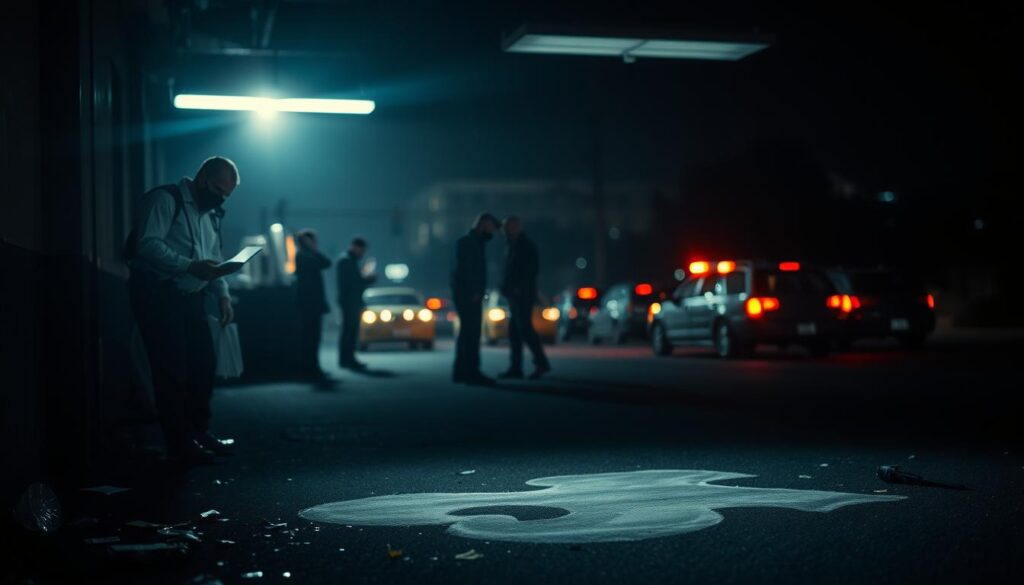
One of the most striking moments is the Trafalgar Square fountain bloodbath. Kate, dressed in angel wings, symbolizes the clash between innocence and the brutal reality of crime. This scene powerfully contrasts the trauma of war with the revelry of post-Armistice celebrations.
Violet’s undercover operation adds another layer of tension. Infiltrating dancer Billie Cassidy’s circle, she navigates a dangerous game of deception. Her mission highlights the challenges women faced in a male-dominated world.
The Salucci family’s retaliation against Kate’s nightclub operations escalates the stakes. Silvio Salucci’s actions, portrayed by Sebastian Croft, deepen the conflict and set the stage for future confrontations.
Evie Galloway’s expulsion from boarding school and return to the London slums mark a turning point in her character arc. Her rebellion against elite institutions reflects the struggles of women during those years.
“The episode’s graphic violence mirrors the criminal brutality of 1918 London, making it a raw and compelling watch.”
This installment masterfully balances character development with high-stakes drama, setting the stage for an unforgettable season finale.
Character Development in Dope Girls S01E06
Character arcs take center stage in this episode, revealing new layers of complexity. The narrative delves into the personal struggles and growth of the protagonists, offering a deeper understanding of their motivations and challenges.
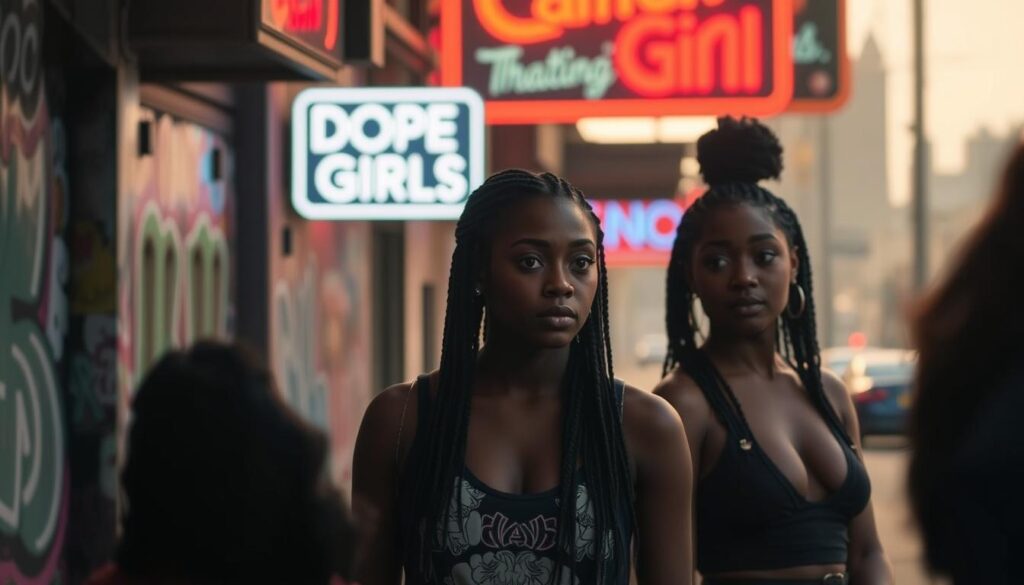
Kate Galloway’s Journey
Julianne Nicholson’s portrayal of Kate Galloway continues to captivate audiences. From her start as a wartime butcher to her rise as a nightclub queen, Kate’s transformation is both ruthless and compelling. Her business decisions, driven by necessity and ambition, highlight her resilience in a male-dominated world.
Kate’s relationship with her daughter, Evie, adds emotional depth to her character. While she strives to protect Evie, her choices often create tension between them. This dynamic reflects the complexities of motherhood and survival in a harsh environment.
Violet Davies’ Undercover Mission
Eliza Scanlen’s Violet Davies faces a moral conflict as she navigates her undercover mission. Maintaining her sex worker persona takes a psychological toll, blurring the lines between duty and personal identity. Her journey highlights the challenges women faced in balancing societal expectations with their own aspirations.
Violet’s interactions with Billie Cassidy, played by Umi Myers, bridge the gap between her police duties and the criminal underworld. This connection adds tension and intrigue to her storyline, making her arc one of the most compelling in the series.
“The characters’ journeys in this episode are a testament to the strength and resilience of women in post-war London.”
Themes and Motifs in Dope Girls S01E06
Themes of resilience and moral ambiguity dominate this episode. Set in the post-war period, the narrative highlights the struggles of women navigating a society that often undermines their progress. The episode masterfully contrasts the challenges faced by different characters, offering a nuanced exploration of empowerment and survival.

Post-War Empowerment
The episode delves into the historical context of women losing their wartime social gains. Kate’s rise as a nightclub queen contrasts sharply with Violet’s struggles in law enforcement. Both characters represent the resilience of their generation, navigating a world dominated by men.
Evie’s expulsion from an elite boarding school further explores class dynamics. Her rebellion against societal norms reflects the broader struggles of women during this transformative place in history. The episode portrays how women weaponized their sexuality and intellect to survive in a hostile environment.
Crime and Morality
The moral ambiguity of both police and criminal operations is a central theme. Kate’s entrepreneurial spirit in the criminal underworld challenges traditional notions of right and wrong. Violet’s undercover mission blurs the lines between duty and personal identity, highlighting the complexities of morality.
The symbolic use of the 1918 flu pandemic as a backdrop adds depth to the narrative. It mirrors the societal collapse and moral decay of the time, making the episode a raw and compelling watch.
“This episode is a powerful exploration of the resilience and moral dilemmas faced by women in post-war London.”
Visual and Cinematic Style
The visual storytelling in this episode elevates the narrative, blending historical accuracy with modern flair. The filming techniques and production design create a vivid portrayal of 1918 London, immersing viewers in the era’s atmosphere.
Set Design and Atmosphere
The recreation of 1918 Soho at Bad Wolf Studios in Wales is a standout feature. The gritty production design contrasts elite venues with slum dwellings, highlighting the societal divide. The use of water in fountain scenes and rain sequences adds symbolic depth, reflecting themes of renewal and chaos.
Anachronistic costume designs blend period accuracy with modern touches, creating a unique visual identity. This approach enhances the surreal, Florence + the Machine-style visuals praised in reviews.
Camera Work and Editing
Dynamic camerawork shines during Billie’s avant-garde dance performances. The fluid movements and sharp cuts capture the energy and tension of the dancer’s role in the narrative. The controversial use of modern text graphics, like the “Paaaaaaarty!” overlay, adds a bold, experimental edge.
The editing seamlessly transitions between high-energy scenes and quieter moments, maintaining a balanced pace. This technique ensures the audience remains engaged throughout the episode.
“The visual style of this episode is a testament to the creative collaboration behind the series, blending history with innovation.”
Audience Reception and Reviews
Audience reactions to the latest installment have been mixed, sparking debates across social media and review platforms. While some praised the show for its bold feminist themes, others critiqued its historical accuracy and audio mixing. The Guardian described it as a “fussy scramble” of historical elements, adding to the polarized reception.
Fan Reactions
Fans have been vocal about their opinions. Many appreciated the strong performances by Julianne Nicholson and Geraldine James, calling them the highlights of the episodes. However, complaints about the audio mixing and modern sensibilities in a period setting divided the audience. Some compared it to Peaky Blinders, noting similarities in tone but differences in execution.
Social media discussions often revolved around the balance between feminist messaging and historical authenticity. While some viewers found the themes empowering, others felt they overshadowed the narrative. This debate highlights the challenges of blending modern ideas with historical storytelling.
Critical Analysis
Critics have offered varied perspectives on the film. The Guardian drew comparisons to A Thousand Blows, praising its ambition but critiquing its execution. The review highlighted the tension between the show’s modern music choices and its 1918 setting, calling it a bold yet divisive creative decision.
Despite the critiques, the collaboration with Bad Wolf Productions has been widely acknowledged for its high production values. The visual style and attention to detail were commended, even by those who found the narrative uneven. This duality in reception underscores the complexity of creating a period drama with contemporary relevance.
“The show’s ambition is undeniable, but its execution leaves room for debate.”
Overall, the audience and critical reception reflect the challenges of balancing historical authenticity with modern storytelling. While the show has its flaws, its bold approach and strong performances ensure it remains a topic of discussion.
Conclusion
As the season progresses, Episode 6 solidifies its place in the series by deepening character arcs and setting the stage for the finale. The development of Kate and Violet’s journeys highlights the resilience of women navigating a male-dominated world. Their struggles and triumphs resonate deeply, making this episode a pivotal moment in the narrative.
Looking ahead, the remaining episodes promise to explore new challenges and resolutions. The show’s bold approach to feminist storytelling has already left a mark on the period drama genre. Its blend of historical context and modern themes offers a fresh perspective on post-war society.
Production-wise, Bad Wolf’s commitment to authenticity shines through. Balancing stylistic ambition with coherent storytelling, the series delivers a compelling watch. For fans of character-driven dramas, this is a must-see.